
When the government declared a climate emergency last year many of us cried Yay!, and Huzzah! and Bravo! and Jolly good show old bean! but then we waited, and we waited, and we waited, and then politics went back to what it was before, which was Brexit Brexit Brexit Brexit Brexit Brexit Brexit Brexit Brexit Brexit Brexit Brexit Brexit Brexit Brexit Brexit Brexit Brexit Brexit Brexit Brexit Brexit Brexit Brexit Brexit Brexit Brexit Brexit. And then there was an election, which was mostly about Brexit Brexit Brexit Brexit Brexit Brexit Brexit Brexit and Brexit, with a bit of Corbyn thrown in but not a lot of talk of climate change and even less talk of what kind of carbon pricing mechanism we might have once we’d “got Brexit done.”
(more…)Author: Paul Jenkins
-
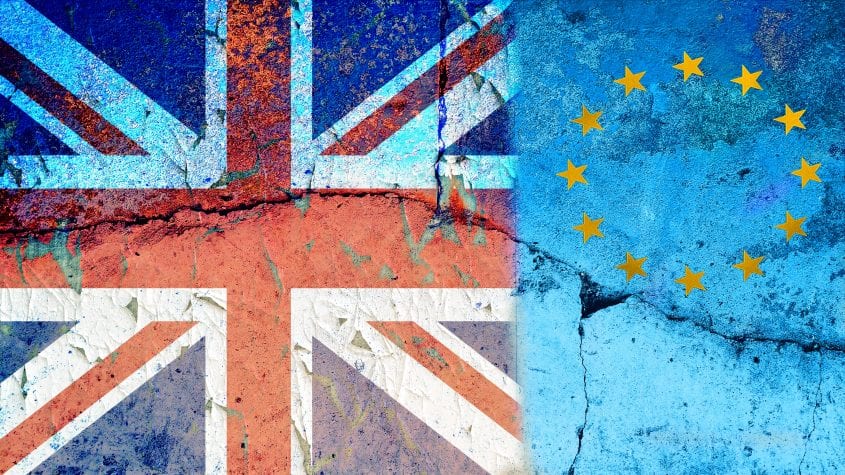
Carbon pricing after Brexit
The Government has been asking people to submit ideas for what kind of carbon pricing we should put in place when we leave the European Union.
At the moment we are part of the European Union’s Emissions Trading System (EU ETS) and we also have our own carbon tax, the Carbon Price Floor (CPF), that comes into play when the fluctuating EU ETS price drops below £18 per tonne.
(more…) -

Politicians don’t listen
But then, we don’t really talk to them. Some of us do though. It’s very easy now with social media. You can even tweet animated gifs at your MP. There are plenty to choose from, but it might be better to DM them, or email them. If you really want to go overboard, you can go out and buy a pen and some paper from WH Smith or some other stationery outlet.
(more…) -

Should we subsidise fossil fuels?
This is what I’m thinking of asking my MP after getting a reply to my email asking for her and her party’s position on carbon pricing that just lists a load of things her party, Labour, will do to tackle climate change, but doesn’t mention carbon pricing at all, and I’ve barely heard any mention of it from Labour.
(more…) -
The IMF on fossil fuel subsidies
-
Why price carbon?
That may sound like a stupid question, but when governments are failing to price carbon pollution at anywhere near the cost of the damage caused to society, it’s a question worth asking, though maybe it would be better to ask the reverse question: why aren’t we are pricing carbon? Why are we effectively subsidising fossil fuels?
(more…) -
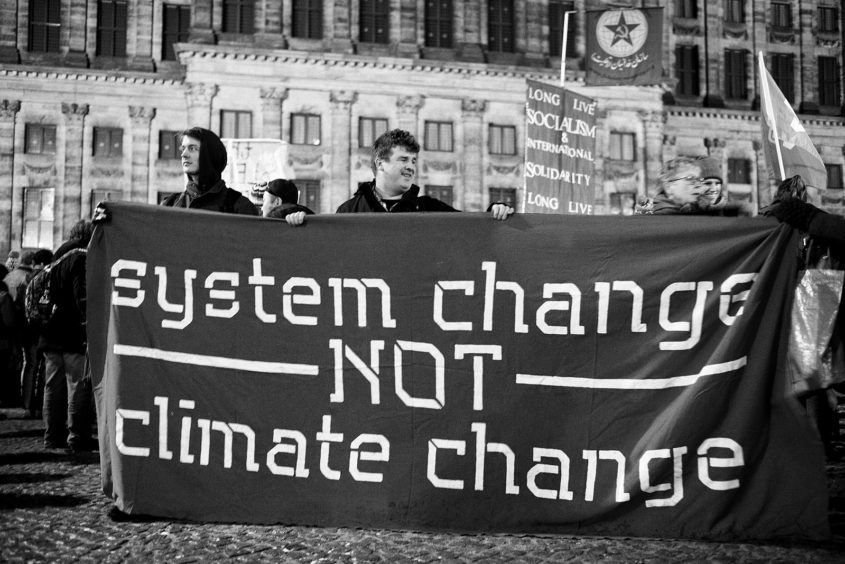
The political polarisation of climate change
Climate change is often seen as a leftwing issue. Those on the left are more likely than those on the right to see climate change as a major problem. (more…)
-
What’s going to happen to the carbon price floor?
There’s a budget tomorrow, and as we reported recently, some energy companies have been putting pressure on the chancellor to increase the carbon price floor, the UK’s carbon tax, currently set at £18 per tonne, which has helped us reduce the proportion of our electricity we get from burning coal, the dirtiest fossil fuel of them all, though if we want to completely phase out coal burning by 2025, something the government has pledged to do, then, according to analysis from Aurora Energy Research, we’re going to need to be putting a higher price on our carbon.
Maintaining the UK carbon price at the current level risks a revival of coal generation in the early 2020s. The competitiveness of coal generation is expected to improve post 2020 relative to gas – as recent restrictions on coal production in China are eased, and the current global glut of LNG gas clears.
If we’re to hit our 2025 coal phase out target, we’re going to need to raise the carbon price to around £40 per tonne, more than double what it is now. As well as driving down coal burning, this higher price would drive investment into our low carbon energy sector.
However, the report suggests increasing the carbon tax to £40 would not result in increased tax revenue for the government, since the higher tax take would be offset by the loss of tax revenue from coal generation.
But what if Hammond decides to scrap the floor price altogether?
That’s what some in our more energy-intensive industries would like to see. According to Aurora’s analysis, this would lead to a surge in coal generation and would make the already tough job of hitting our decarbonisation targets even tougher.
The way to have a carbon tax set at a meaningful rate without harming our own energy-intensive industries would be to apply border adjustments, or tariffs effectively, so imports would be taxed based on their carbon content and on whether that carbon content has already been taxed and exports going from the UK to regions with low or no carbon tax would receive a rebate, thus allowing UK businesses to compete on a level playing field. Such environmental tariffs are allowed by WTO rules, and they may also be allowed by EU rules since they would not be discriminatory but would be applying the same tax equally to domestic and foreign businesses.
Give the money to the people
Another issue with increasing the carbon tax is that it would raise gas and electricity bills, and since just about everything requires energy in its production or delivery, it would result in prices going up. At the levels we’ve talking about at the moment, these price rises would be minimal, but if we’re serious about hitting our 2050 decarbonisation target, as required by the Climate Change Act, then we’re going to need a steadily rising price on carbon and people are going to need help bearing the costs of the transition to a low carbon economy.
The solution then is to rebate the revenue from the tax back to the public. All of it. The whole bloody lot. Every single penny. 100%. A carbon tax should not be a revenue raising tax, and it doesn’t need to be. We have plenty of other taxes for raising revenue, and it’s because it’s not revenue raising that we in CCL tend to refer to it as a fee rather than a tax.
The purpose of a carbon tax is to correct a flaw in the market, known as a negative externality, that means the costs of the damage caused by burning fossil fuels are not borne by the producer or the consumer but instead are passed onto third parties, who, in this case, are those having to deal with the impacts of climate change and for the most part they are the people with the smallest carbon footprints.