Are temperature rises of 1 °C dangerous or can we get away with rises of 10 °C? Surely, even the most ardent sceptic would accept that rises of 100 °C would be catastrophic. So, where does calamity start? Those seeking to delay action to combat climate-change are strangely quiet on this question.
In contrast, climate scientists give a clear answer. They reported, in 2018, that serious consequences will accelerate rapidly between 1.5 °C and 2.0 °C.
Eight years after that report, warming Is close to their lower limit with a temperature rise, in 2025, of more than 1.4 °C above pre-industrial levels. So, if the climate scientists are right, we would expect significant impacts to be beginning to emerge. Are they?
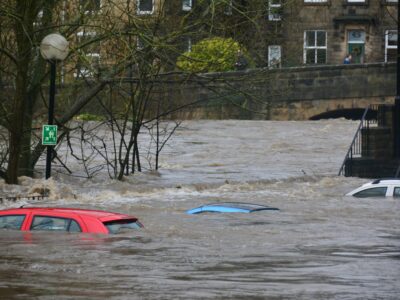
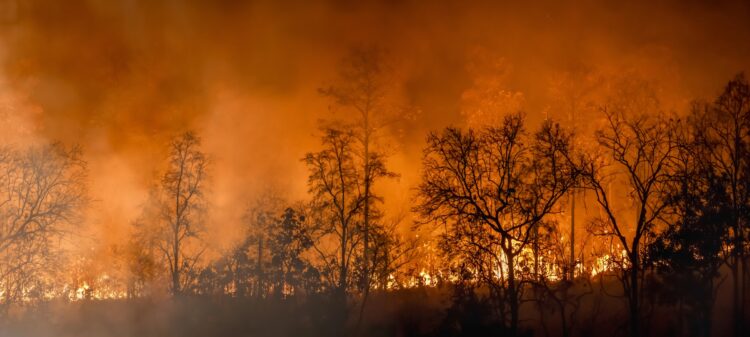
Wild fires have seen a doubling of the susceptible area of Earth’s surface between 1979 and 2013. Almost wherever you live in the world, the number of heatwave days has tripled since the 1950s whilst the duration of floods has increased by a factor of 2.5. The cost of all this damage is now starting to climb with climate-related insurance claims totalling $600 billion over the past two decades.
As we reach global warming of 1.4 °C, there are clearly emerging signs of significant damage from climate change, as expected if the impacts climb strongly after 1.5 °C.